

Chemical Grout
Chemical grouting is a specialized construction technique used to seal, reinforce, and stabilize soil and structures. It is widely applied in shoring, deep foundation work, and structural repairs to prevent water infiltration and improve ground stability.
What is Chemical Grout?
Chemical grout is a versatile sealing and strengthening material made from compounds such as polyurethane, acrylate, epoxy, and silicate. Each type is carefully selected based on its strength, flexibility, and waterproofing capabilities, depending on the project’s specific needs. When injected into the ground or structure, the product expands and seals cracks and voids to stabilize soil, control water infiltration, and reinforce structural integrity in shoring and deep foundation projects. Many times, these issues are interconnected with water migration or water infiltration in foundations or excavations.
Key Features and Benefits of Chemical Grout
Why choose chemical grouting? It’s a cost-effective solution that strengthens soil, prevents water damage, and enhances structural stability.
Below are its key advantages:
Below are its key advantages:
Increased Stability and Waterproofing
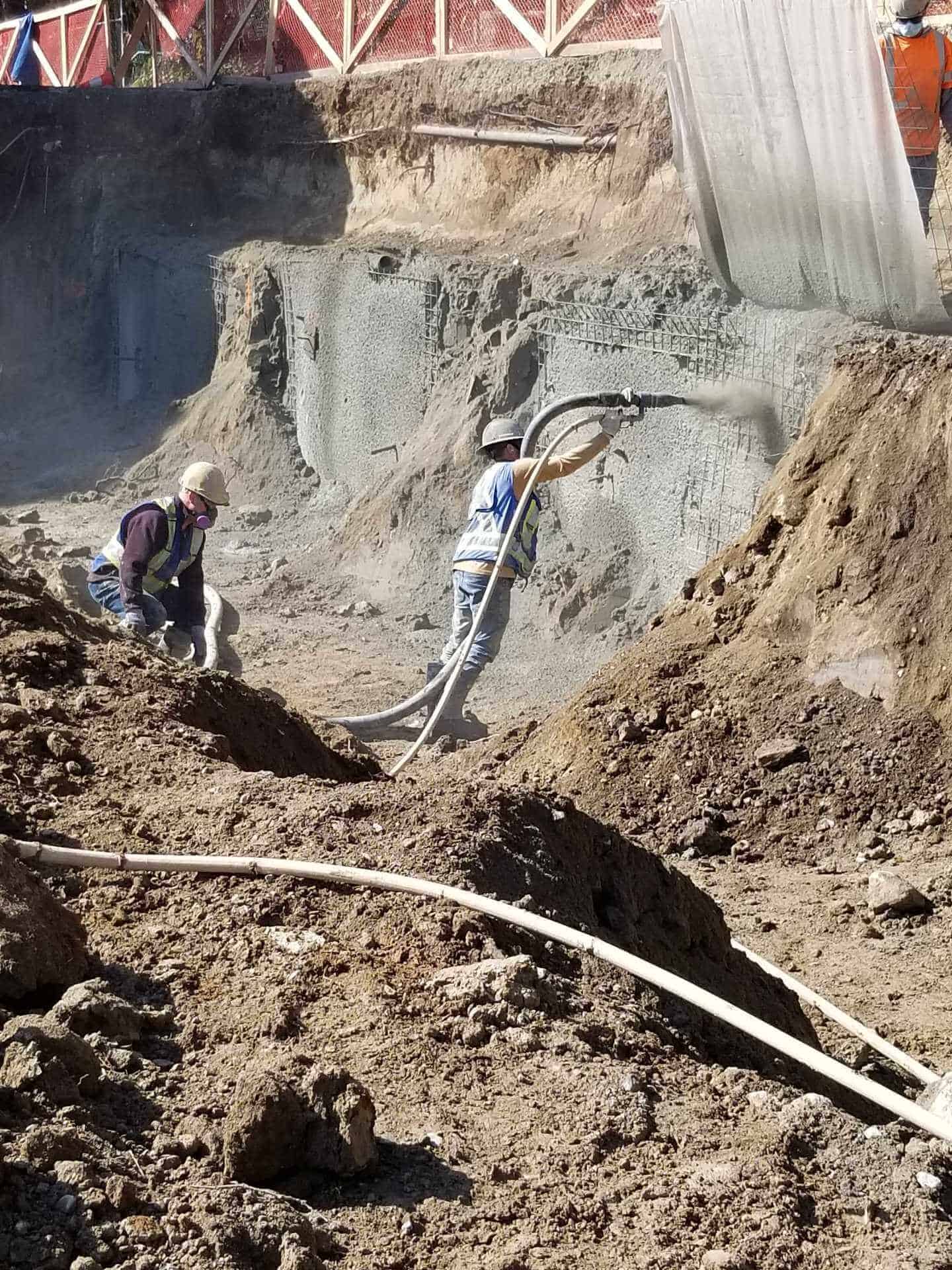
The process provides strong bonding with surrounding materials, improving the stability and load-bearing capacity of deep foundations, which is crucial for supporting large structures. The process enhances soil stability, increases shear strength, and effectively controls water ingress, preventing related issues. These improvements lead to long-lasting stability and durability for the treated areas, ensuring the safety and integrity of deep foundation structures.
Cost Effectiveness and Minimal Disruption
The minimal invasiveness of the entire chemical grouting process negates the need for extensive excavations which makes it a popular choice in several construction applications including foundation repairs, tunnel construction, and soil stabilization.
The Chemical Grouting Process: How It Works
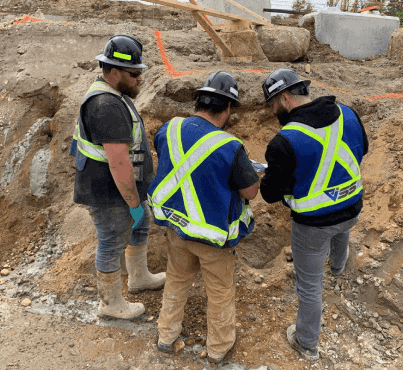
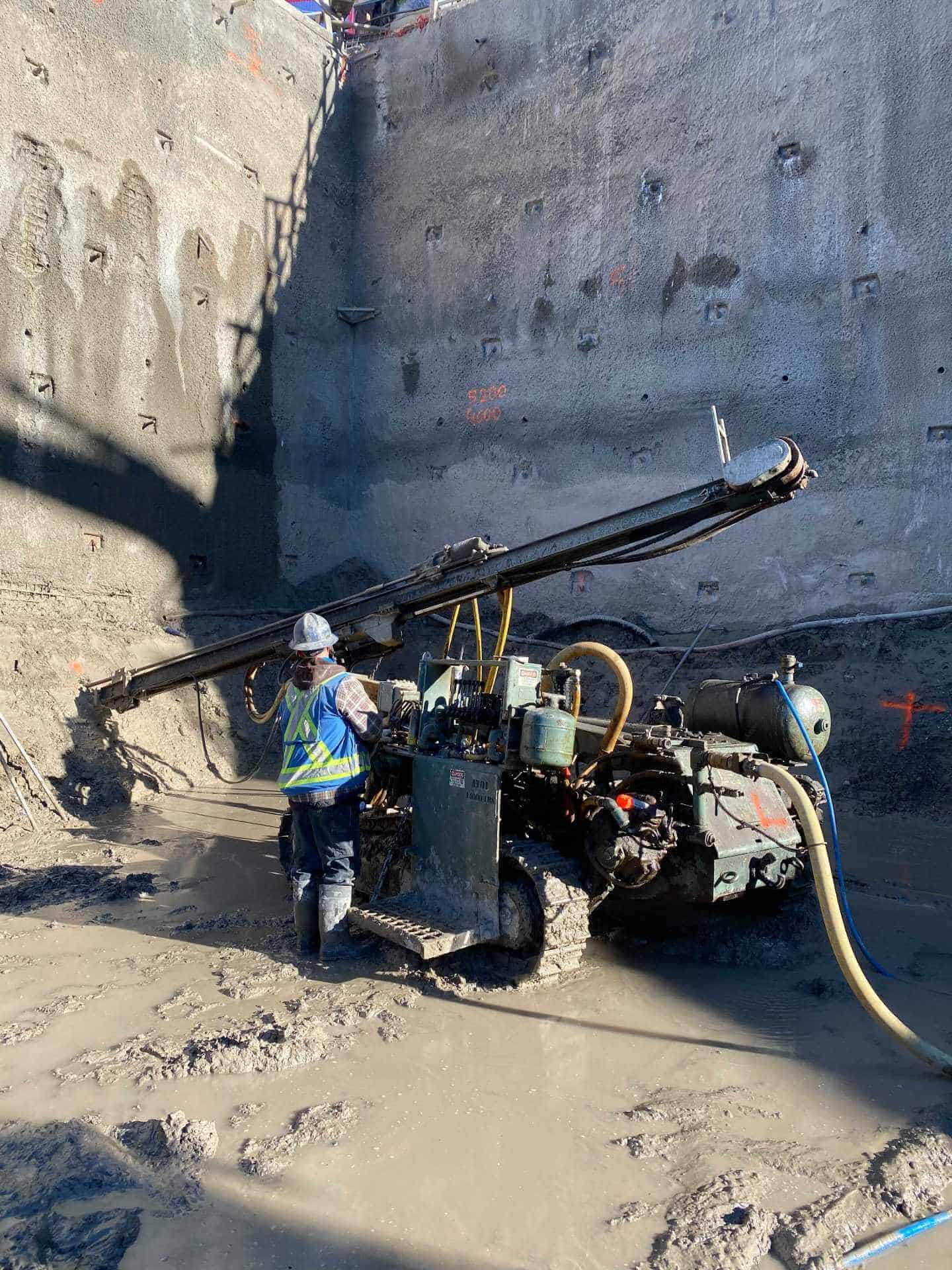
- Injection Points Created – Small holes are drilled to access the target area.
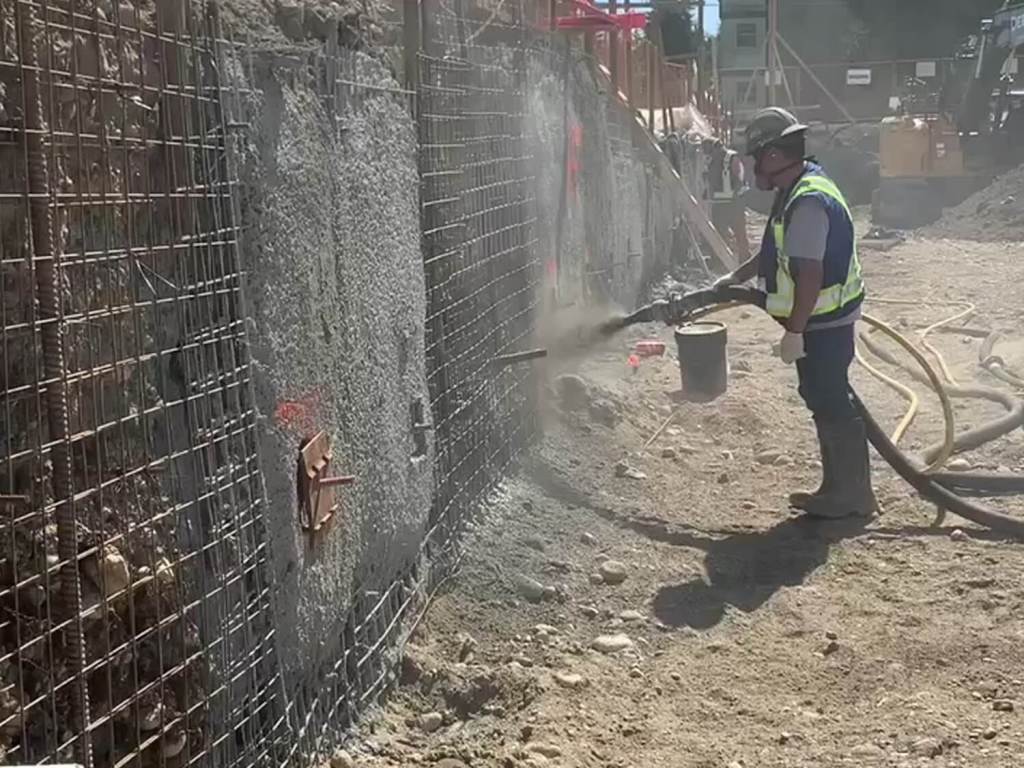
- Grout is injected – A specialized grout is pumped under controlled pressure through a sleeve port pipe.
- Expansion & Sealing – The grout fills cracks, voids, or weak soil areas, forming an impermeable, load-bearing barrier.
- Testing & Verification – Engineers inspect the area to ensure complete sealing and stabilization.
Process Overview
The chemical grouting process begins by creating small, strategic injection holes to access the target area. Chemical grout is then pumped into the area under controlled pressure via a sleeve port pipe. The grout then enters cracks and gaps and expands to fill them creating a strong, impermeable barrier. The area is then tested to ensure all gaps have been covered.
Chemical Grout Injection Techniques
Injection techniques used in shoring and deep foundation work include:
- Permeation Grouting: Used for waterproofing tunnels, basements, and foundations.
- Compaction Grouting: Ideal for stabilizing loose soil under roads and buildings.
- Fracture Grouting: Strengthens weak soils under heavy loads, such as in high-rise construction.
Materials and Chemical Properties
Different types of chemical grouts are used based on the soil type, structural needs, and waterproofing requirements. Below are the most common options:
Chemical Grout Types and Applications
| Grout Type | Best Used For | Key Properties |
|---|---|---|
| Polyurethane | Waterproofing tunnels, basements, foundations | Expands to create watertight seals |
| Acrylate | Deep penetration in fine soils | Forms a flexible, gel-like barrier |
| Epoxy | Strengthening structural foundations | High compressive & tensile strength |
| Silicate | Environmentally safe, long-term soil stabilization | Low-toxicity, durable, and eco-friendly |
Applications of Chemical Grout
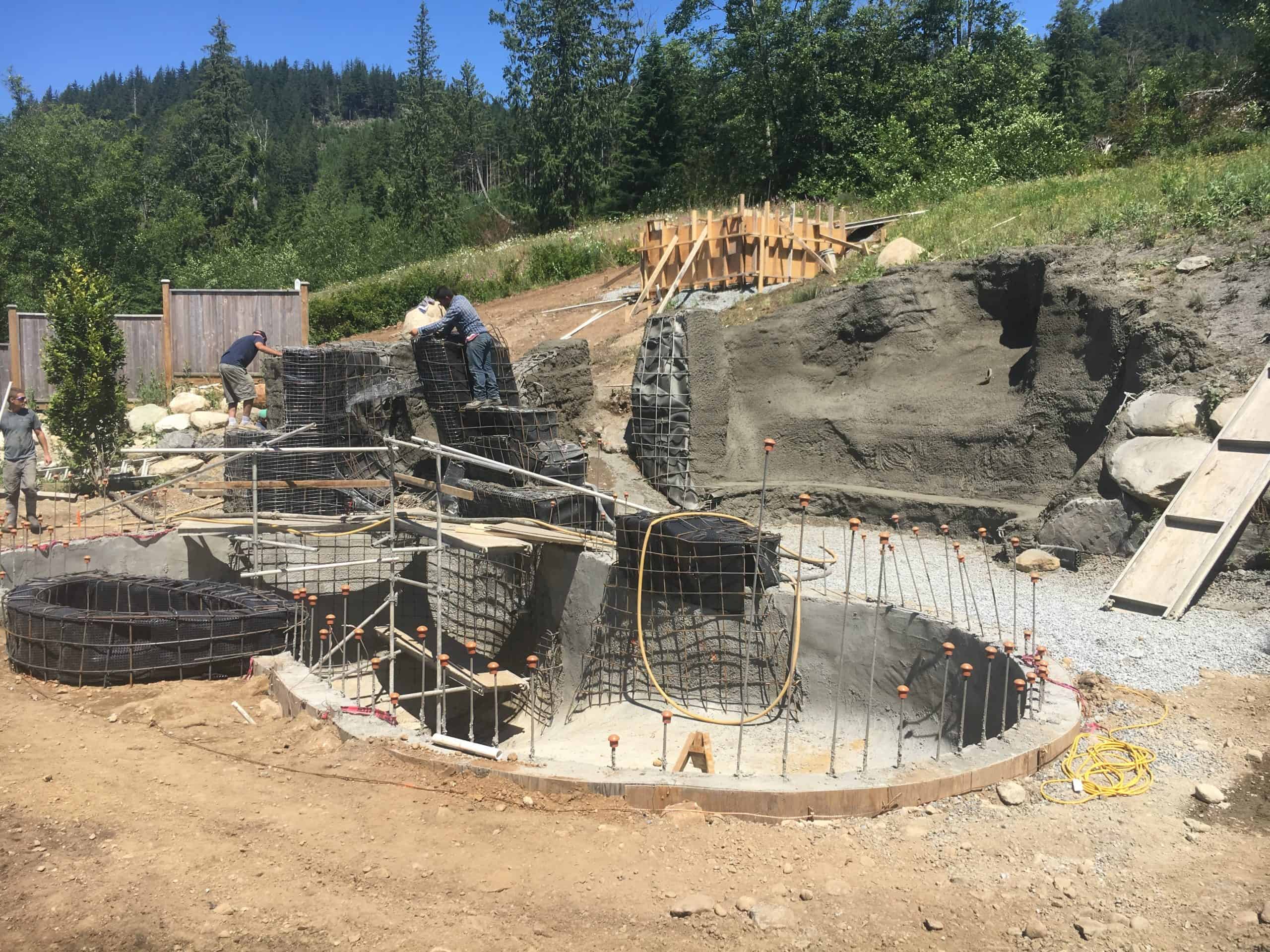
Common Use Cases in Construction and Shoring
- Sealing Leaks & Waterproofing: Prevents water ingress in tunnels, basements, dams, and retaining walls.
- Foundation & Soil Stabilization: Strengthens foundations, bridges, and seawalls against erosion and shifting.
- Concrete Slab Lifting: Restores sidewalks, driveways, and building foundations affected by settlement.
Advantages in Soil Stabilization and Waterproofing
Chemical grouts play a crucial role in stabilizing loose or weak soils to improve the load-bearing capacity of the ground. Their flexibility and permeation characteristics make them ideal for creating impermeable barriers around tunnels, basements, and other structures, ensuring long-lasting stability and waterproofing.

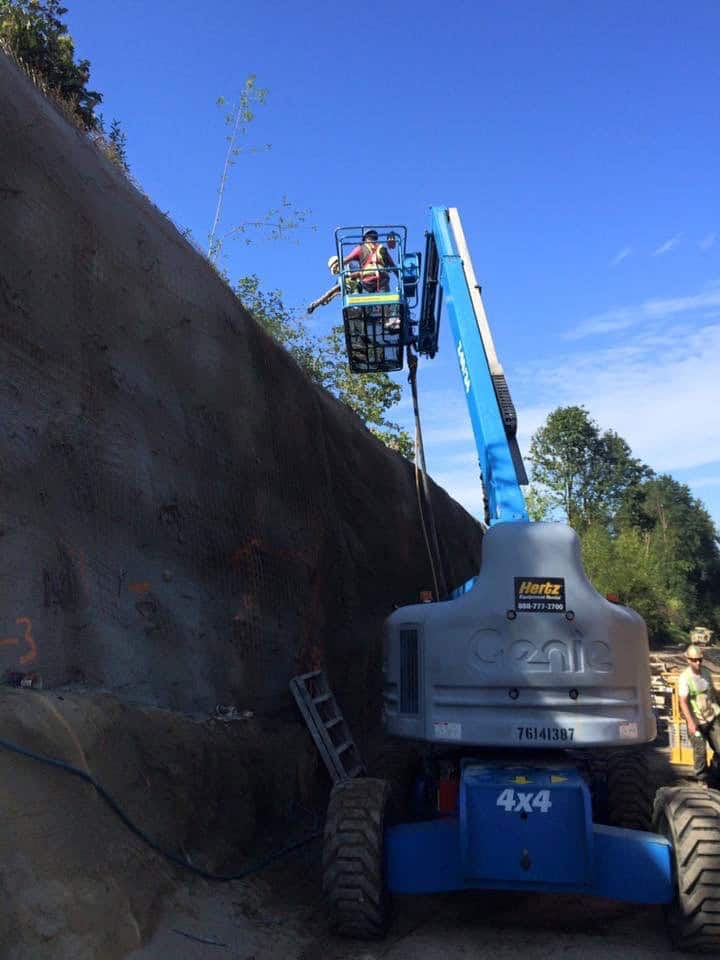
Why Choose VSS Shoring for Chemical Grouting?
At VSS Shoring, we specialize in advanced chemical grouting solutions across Vancouver and British Columbia. With extensive knowledge of the region’s unique soil conditions. We provide customized solutions that enhance structural integrity and ground stability
Read our FAQs below for further information on chemical grouting.
Frequently Asked Questions (FAQs)about Chemical Grout
Is chemical grouting suitable for deep foundations?
Yes, chemical grouting is highly effective for stabilizing soils and improving load capacity in deep foundation projects. A huge advantage is the minimal disruption necessary to carry out such works which further enhances stability.
How does chemical grouting support shoring systems?
Chemical grouting supports shoring systems by enhancing soil stability and increasing the load-bearing capacity of the ground, ensuring a stable foundation for excavation. It also provides effective waterproofing, preventing water infiltration and protecting the structural integrity of the shoring system. Additionally, chemical grouting minimizes soil erosion and settlement, ensuring the long-term stability and safety of the shoring structure.
Is chemical grout environmentally safe?
3. Is chemical grout environmentally safe?
Chemical grouts can have environmental impacts. However, advancements in grouting materials, such as bio-grouts, offer more environmentally friendly alternatives with reduced toxicity and lower environmental impact. VSS Shoring uses environmentally responsible materials wherever possible and follows industry best practices to minimize environmental impact.
Chemical grouts can have environmental impacts. However, advancements in grouting materials, such as bio-grouts, offer more environmentally friendly alternatives with reduced toxicity and lower environmental impact. VSS Shoring uses environmentally responsible materials wherever possible and follows industry best practices to minimize environmental impact.
Not Just
Shoring