Micropile & Foundation Drilling

Micropile and Foundation Drilling

Urbanization means we’re building higher than ever before. The rise of high-rise buildings across Vancouver and British Columbia has also led to an increase in the need for deeper foundations and underground construction within dense building complexes. Limited space for excavations and environmental constraints often make the use of traditional methods and machinery difficult. Micropiles and foundation drilling offer the solution.

At VSS Shoring, we specialize in delivering efficient, precise, and cost-effective micropile and foundation drilling services tailored to your project’s needs.

What Are Micropiles and Foundation Drilling?

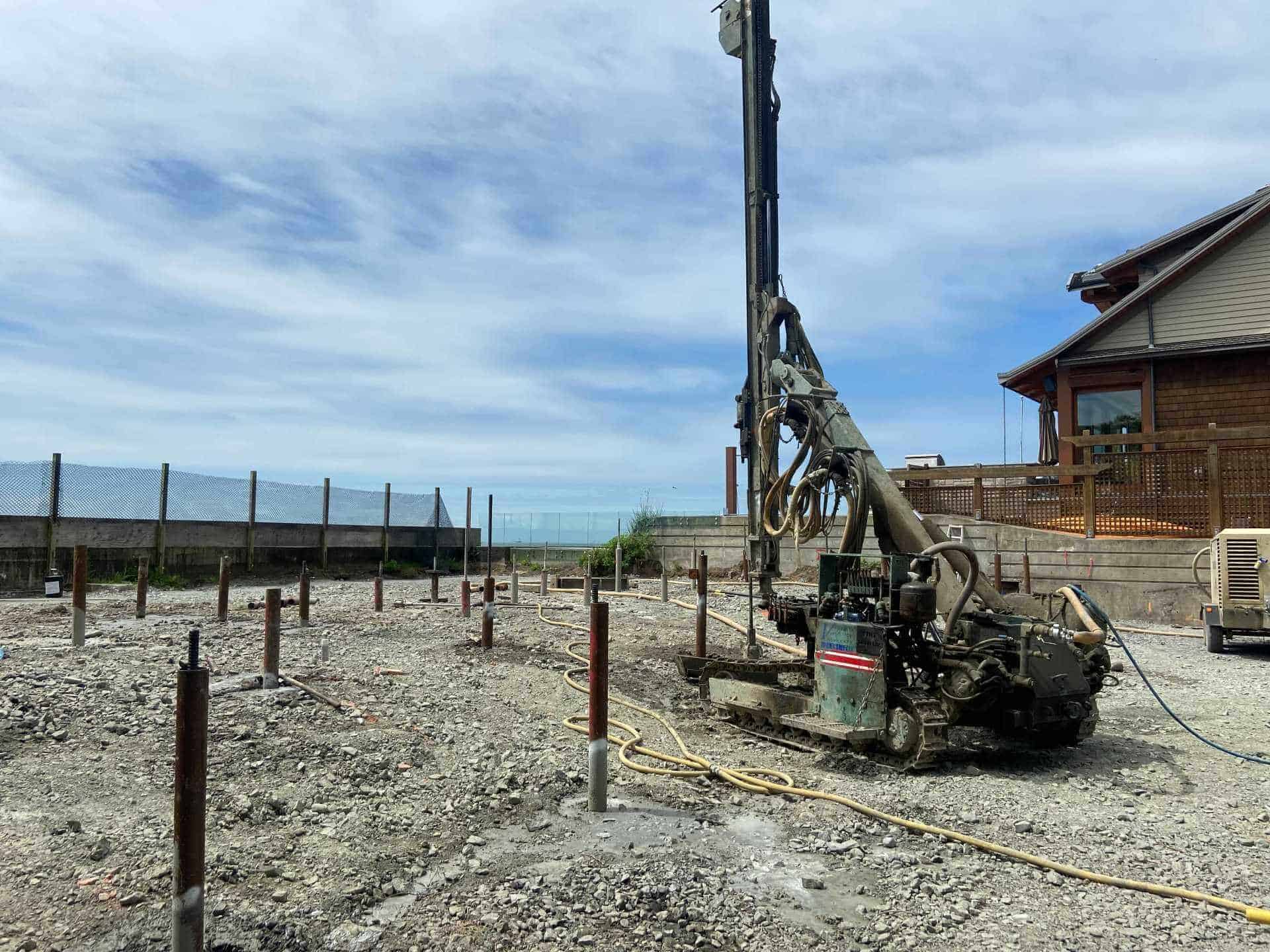
Micropiles are deep foundation elements used to support existing structures, reinforce new foundations, or stabilize slopes. As their name suggests, they are steel piles that are small in diameter, typically ranging from 4 to 10 inches, but are substantial in length, sometimes exceeding 30 meters. Once installed, they may have temporary or permanent casings.

Foundation drilling involves creating deep, stable support columns in the ground to bear heavy loads and maintain the integrity of a structure.

Key Features and Benefits

Challenging environments call for ingenious solutions, and micropiles offer a number of benefits.
Versatility and Adaptability

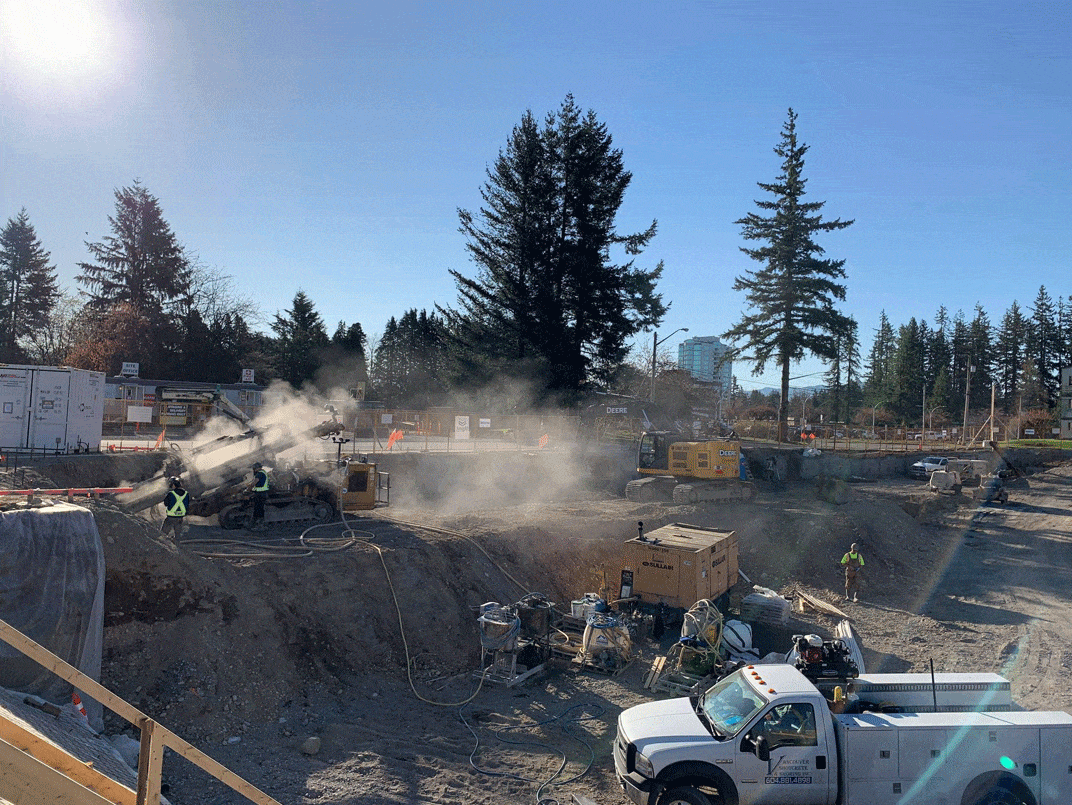
Both micropiles and foundational drilling can handle all sorts of ground conditions. They’re perfect for tight spaces and busy city areas where traditional foundational systems are impractical. These methods can be adapted no matter what your subsoil consists of, whether it is clay, sand, or even bedrock.

Minimal Disturbance and Environmental Impact
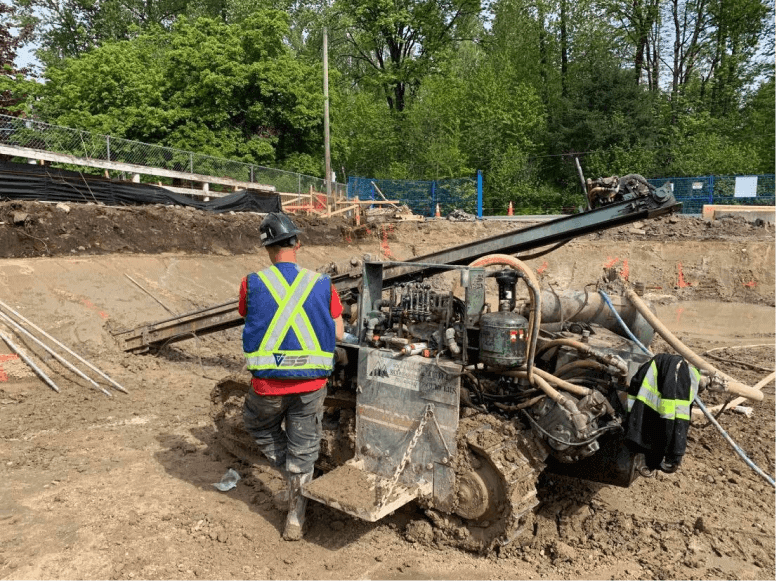
The installation process involves precision drilling and the use of specialized equipment, which means fewer vibrations and noise. This minimizes the risk of damage to adjacent structures and lowers environmental impact. Techniques such as rotary drilling and casing advancement keep the borehole stable and reduce the risk of groundwater contamination.

High Load-Bearing Capacity and Stability

Both methods use high-strength materials like steel casings and special grout. This allows them to support heavy loads and transfer significant axial and lateral loads to deeper, more stable strata. Advanced grouting techniques, like pressure grouting and chemical grouting, help distribute the load evenly and increase overall stability.

Applications of Micropile and Foundation Drilling
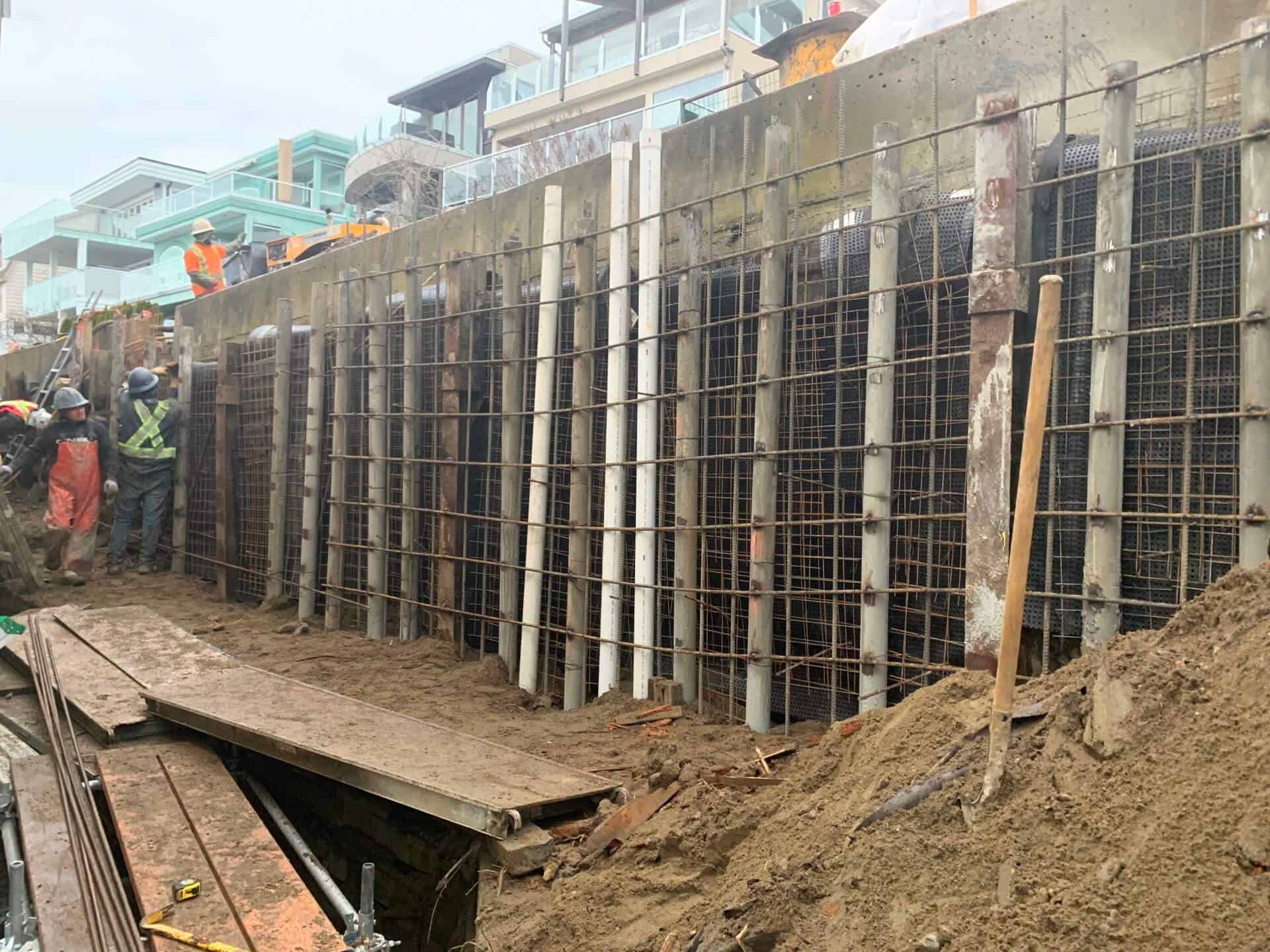
Micropile and foundation drilling techniques are used across a wide range of industries and project types. From reinforcing aging infrastructure to supporting new developments on unstable ground, these methods are trusted for their strength and flexibility.

Structural Strengthening and Support

Micropiles shine when it comes to strengthening existing structural support—whether it’s for buildings or bridge piers that need reinforcement. Installing micropiles under such weak or deteriorating structures increases their load-bearing capacities. Micropiles also provide crucial lateral support to retaining walls by acting as anchors.

Stabilization and Safety

Micropiles can be installed on inclines and slopes to prevent erosion, landslides, or slope failure. In areas with high seismic activity, they can be retrofitted to structures to improve the structure’s resistance to lateral loads as well as its flexibility. Micropiles also serve as shoring systems during deep excavations, providing support.
Foundation Solutions and Soil Improvement

Micropiles are not only used for existing structures. They work well as deep foundations for new constructions in areas with unsteady soil as they go deep enough to transfer loads to more stable layers underground. They can also be used to densify loose soil to enhance its suitability for supporting structures.

How Micropile and Foundation Drilling Works
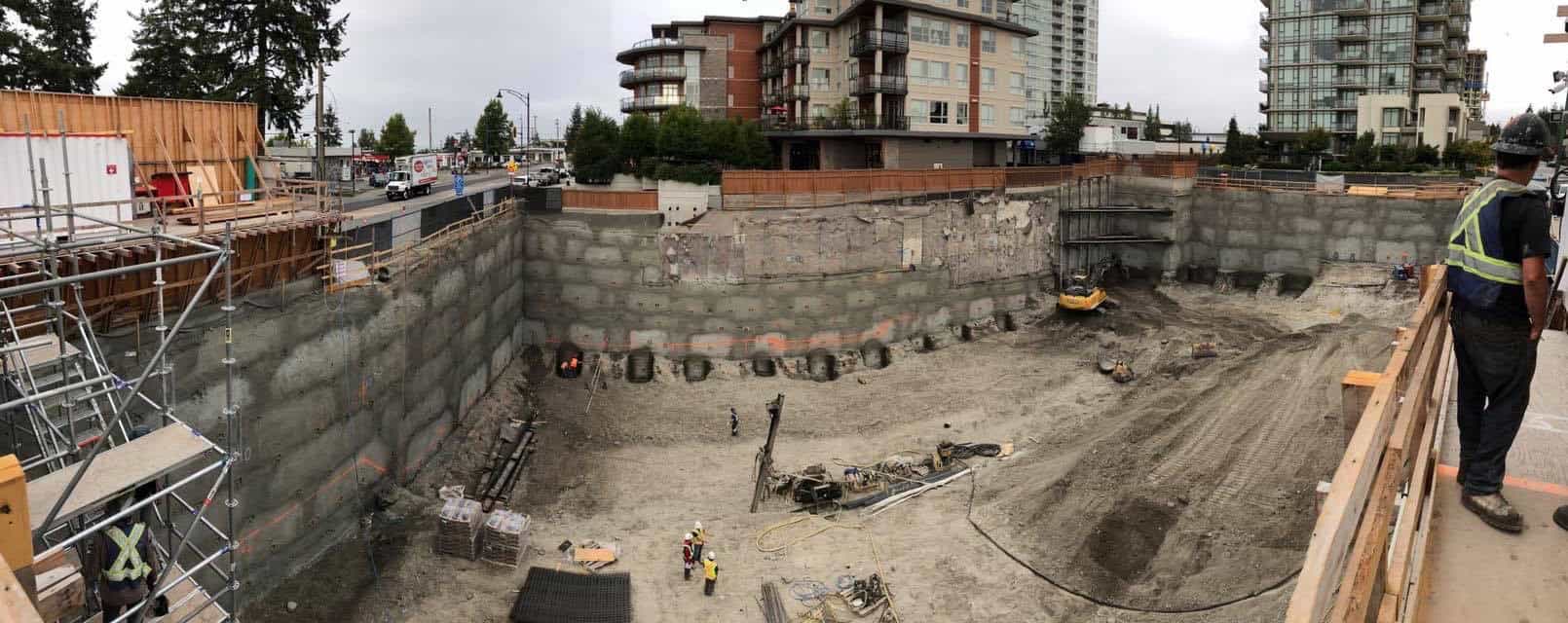
Understanding the process behind micropile and foundation drilling can provide insights into why these methods are so effective.

Process Overview and Techniques

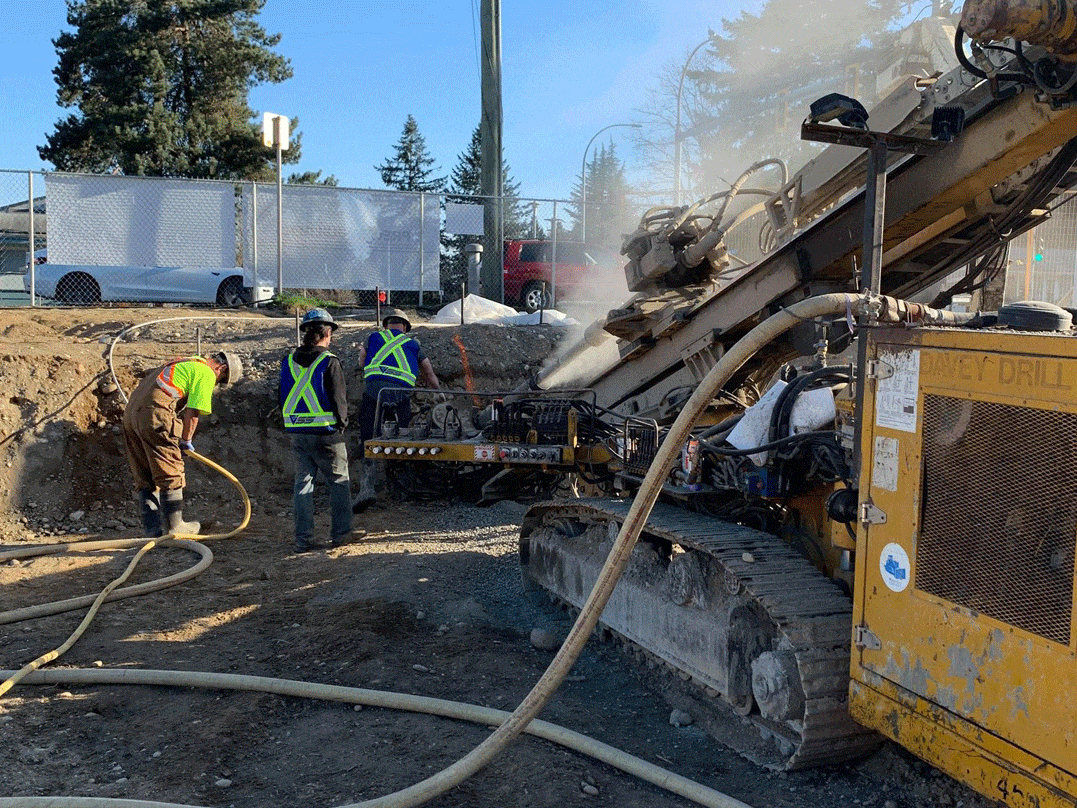
The micropile installation process begins with drilling a small-diameter hole to the required depth, usually using rotary drilling. Once the hole is drilled, a high-strength steel casing or reinforcing bar is placed inside, and the hole is filled with grout to create a secure foundation element. The grout is injected under pressure so that all cracks and gaps are filled and it bonds with surrounding soil or rock. This allows the load to be distributed to deeper, more stable soil layers.

Equipment and Technology Used

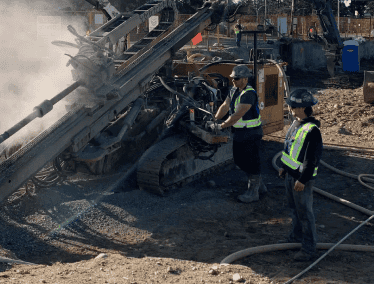
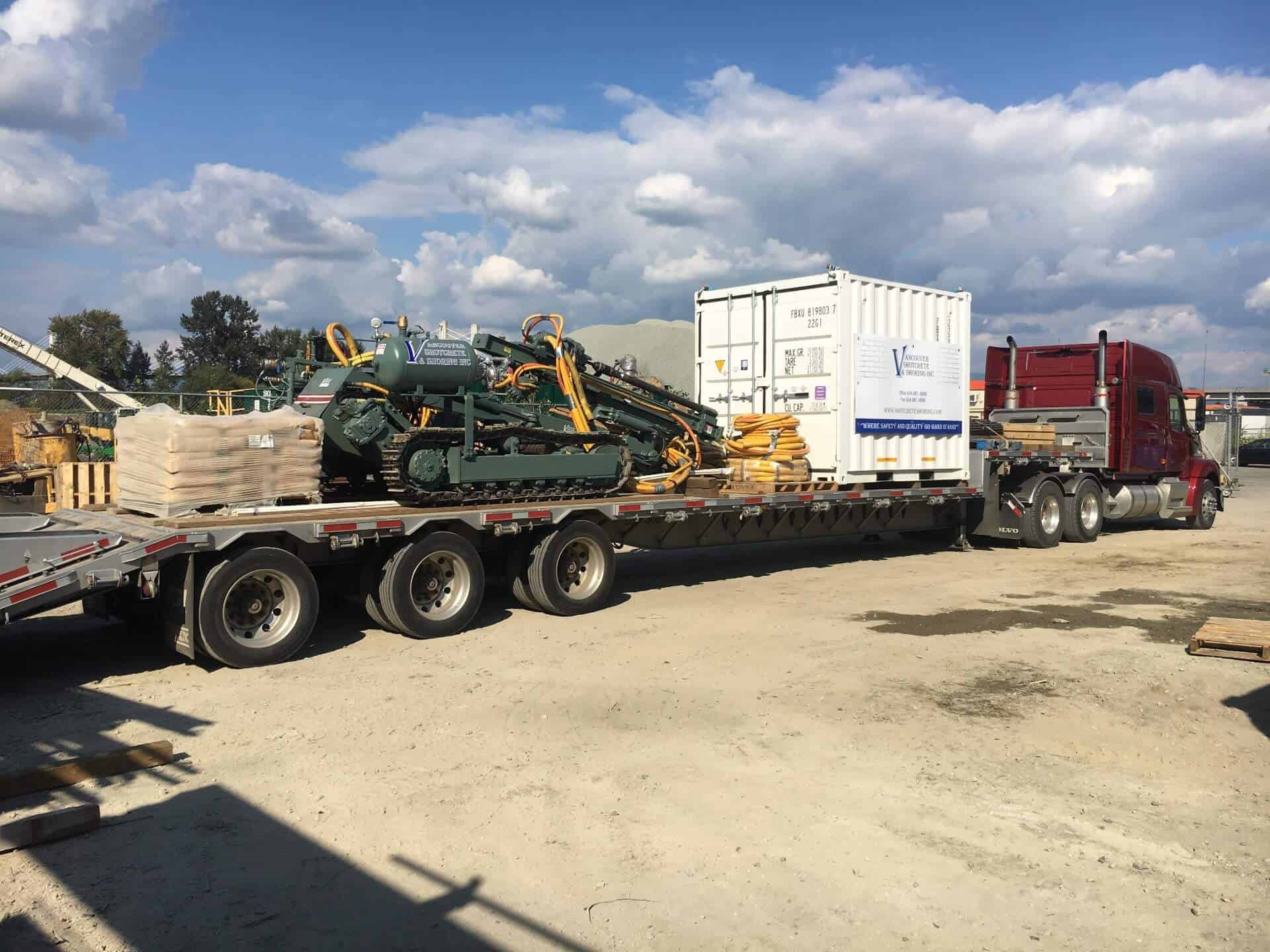
At VSS Shoring, we invest in the latest drilling technology to deliver the precise results you need for robust structures. Our equipment includes compact drills capable of working in confined spaces and handling a variety of soil types. High-pressure grouting pumps and casing systems are used to enhance the stability and durability of micropiles.

We also use advanced monitoring systems to ensure accuracy and safety throughout the drilling process. This commitment to technology allows us to tackle complex foundation challenges with confidence.

Why Choose Micropile and Foundation Drilling with VSS Shoring?
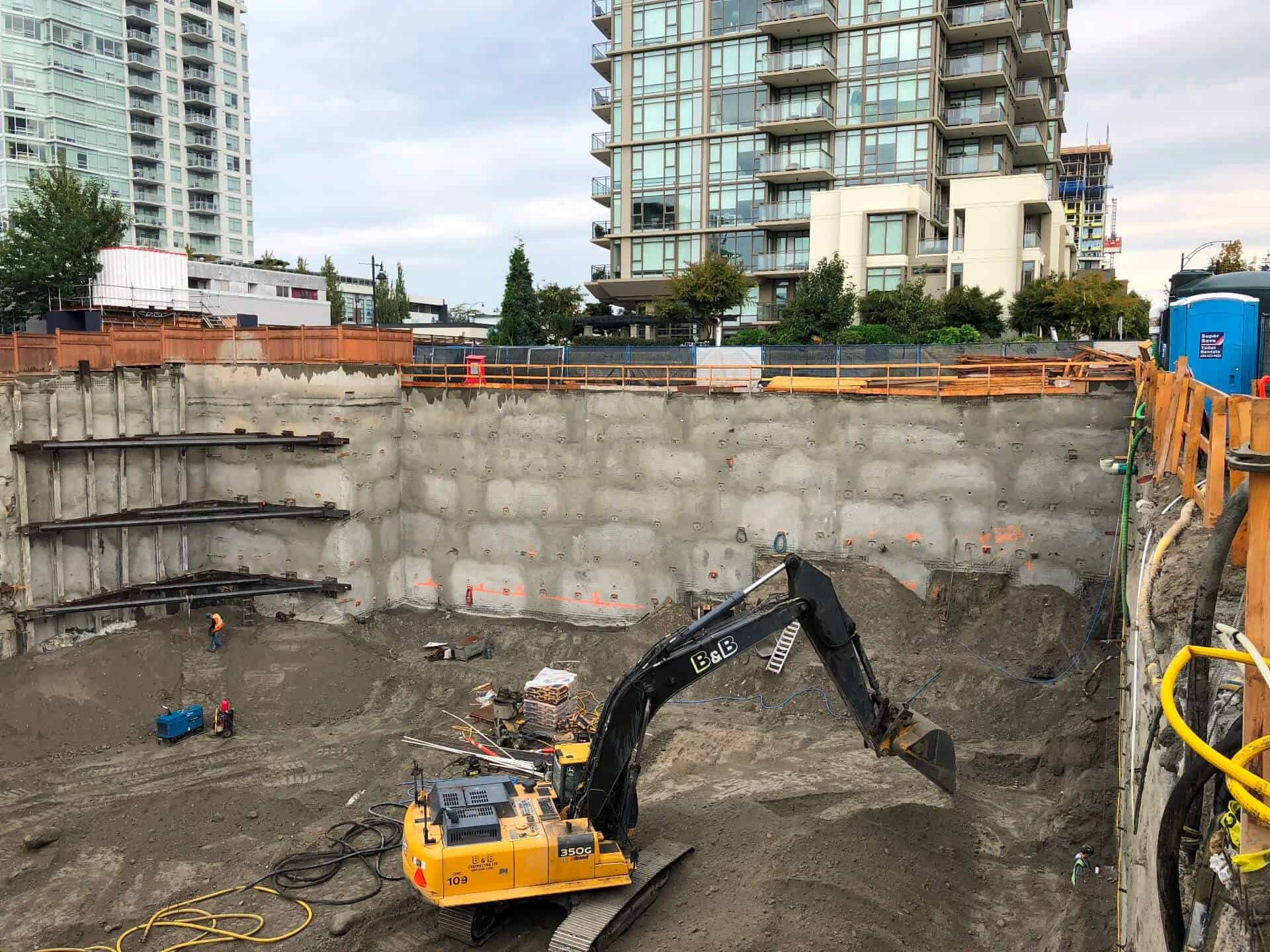
Choosing the right partner for your foundation makes all the difference. With VSS Shoring, you get the benefit of experience, precision, and a commitment to safety and cost-effectiveness.

Expertise in Complex Foundation Projects

With extensive experience across industries, we handle complex foundation projects with ease. Our team understands the challenges of different soil conditions and structural needs, delivering reliable results for both new builds and retrofits.

Precision, Safety, and Cost-Effectiveness

At VSS Shoring, precision and safety come first. Our skilled team follows strict quality controls to ensure every micropile and drilled foundation meets top standards. Our efficient methods also reduce project timelines and costs without sacrificing performance.

Custom Solutions for Unique Structural Needs
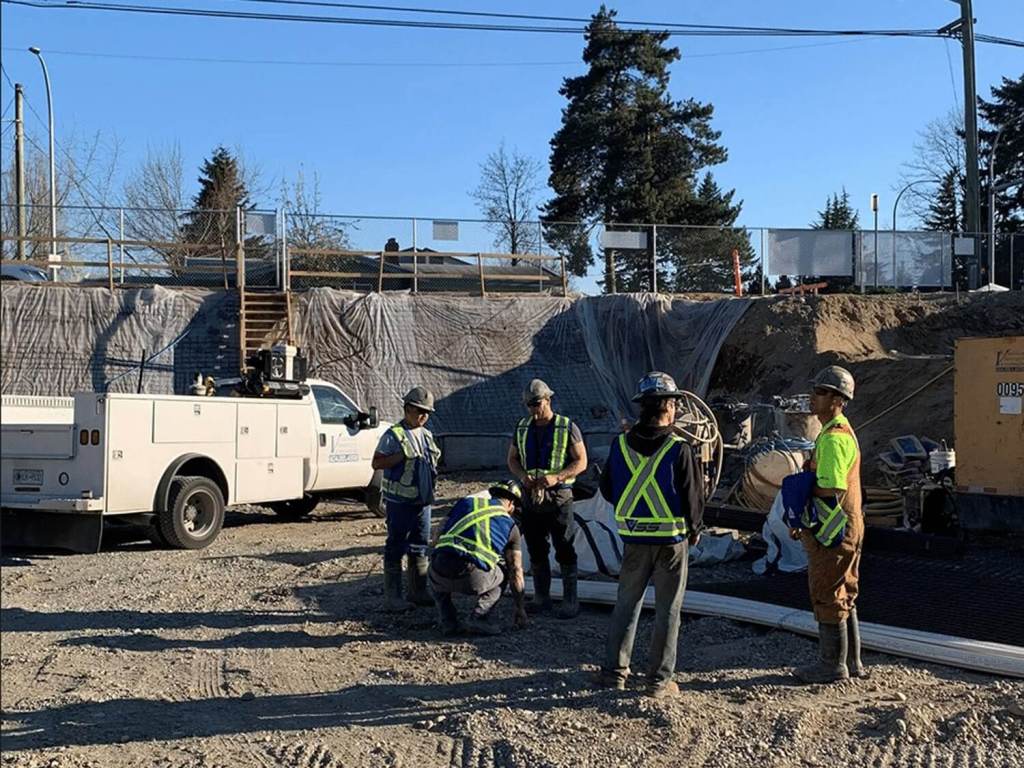
No two projects are the same, which is why we deliver custom solutions that address each project’s unique needs. Whether you’re facing challenging soil conditions or need to reinforce an existing structure, or both, we work closely with you to develop the right approach for your needs, budget, and timeline.

Frequently Asked Questions (FAQs)

How long does micropile installation take?

The timeline varies based on the project’s complexity, but most installations can be completed in a few days to a few weeks. Factors influencing the duration include the depth and diameter of the micropiles, soil conditions, and the accessibility of the site. Proper planning and coordination with other construction activities also play a crucial role in determining the overall installation timeline.

Are micropiles suitable for all soil types?

Absolutely! Micropiles are known for their adaptability and versatility, making them suitable for a wide range of soil conditions. Their ability to penetrate various types of soil and rock formations makes them an excellent choice for projects with diverse and complex ground conditions.

What makes micropiles different from traditional piles?

Micropiles are smaller in diameter compared to traditional piles, making them suitable for installation in confined spaces where larger piles can’t be used. They are ideal for retrofitting and reinforcing existing structures, especially in densely populated urban areas or within existing buildings.

Get Started with VSS Shoring

Ready to explore how micropile and foundation drilling can support your next project? We’re here to help every step of the way.

Have questions or want to learn more about our micropile and foundation drilling services? Reach out to us, and let’s build something solid together.

Not Just
Shoring

VSS Shoring Logo
VSS Drilling Logo
VSS Shoring Logo